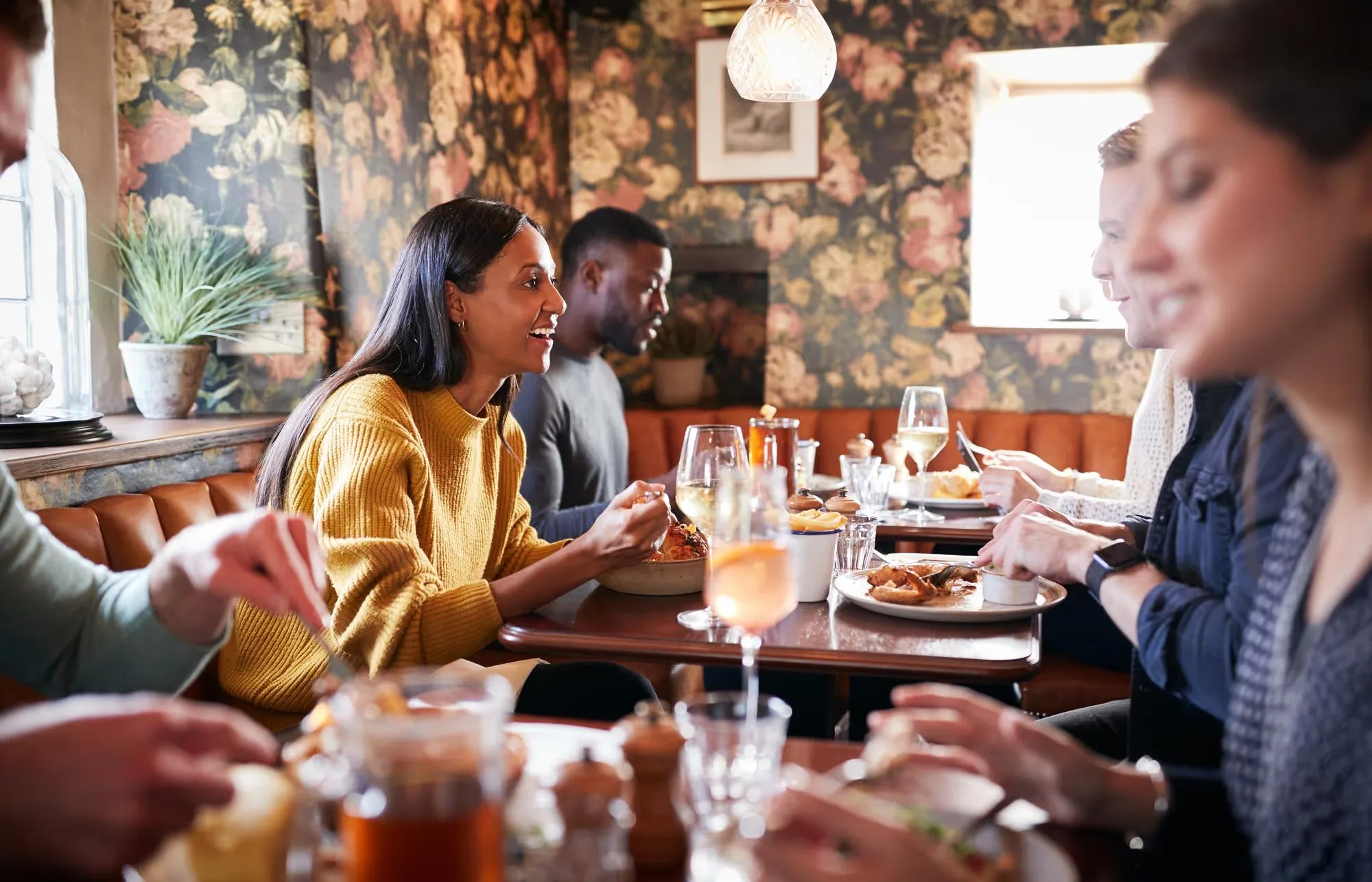
On a Friday night, the dining room is full. The bar is three-deep. There’s a waitlist at the host stand.
It feels like success.
But here’s the uncomfortable question more operators are starting to ask:
If that reservation network disappeared tomorrow, how many of those guests could you reach directly?
If the honest answer is “not many,” you’re not owning your guests.
You’re renting them.
The Illusion of Traffic
Third-party marketplaces and delivery apps are good at one thing: generating traffic. Especially in competitive markets, they can fill seats that might otherwise stay empty.
But traffic and ownership are not the same.
When a guest books through a marketplace:
- The platform controls the relationship.
- The platform controls the communication.
- The platform controls the data.
You may see their name for a reservation. You may see what they ordered. But can you reach them directly next week? Can you invite them back for a wine dinner? Can you re-engage them after 60 days of inactivity?
Often, the answer is no.
As one multi-unit operator in Texas told us:
“We thought we were building loyalty. What we were really building was someone else’s database.”
The Hidden Cost of “Easy” Reservations
Let’s say you pay:
- 15–30% commission on delivery
- Per-cover fees on reservations
- Paid placement for visibility
Now layer in this reality: if that guest returns through the same platform, you pay again.
You’re not just paying to acquire a guest.
You’re paying every time they come back.
A casual dining owner in Florida put it bluntly:
“It’s like leasing my own regulars back from a tech company.”
That’s not marketing. That’s dependency.
What Ownership Actually Looks Like
Owning your guest doesn’t mean eliminating third parties entirely. It means shifting the balance of power.
Ownership looks like:
- Capturing first-party data (email, phone, visit history)
- Segmenting guests by behavior (VIPs, lapsed, high spenders, event attendees)
- Re-engaging them directly through email or SMS
- Driving repeat visits without paying commission again
A neighborhood restaurant group in Chicago started sending targeted midweek offers to guests who hadn’t visited in 45 days.
The result?
- 18% reactivation rate
- 11% lift in Tuesday/Wednesday covers
- Zero commission paid on those repeat visits
Their GM said:
“For the first time, we weren’t waiting for traffic. We were creating it.”
That’s the difference.
Why This Matters More Now
Margins are thinner than they’ve been in years.
Labor costs are up. Food costs are unpredictable. Guests are dining out less frequently and being more selective about where they go.
In this environment, repeat visits aren’t a bonus.
They’re survival.
If you don’t control your guest relationship, you can’t influence frequency. And if you can’t influence frequency, you’re stuck chasing new traffic at higher and higher acquisition costs.
A Simple Test
Ask yourself three questions:
- Can I export my guest list anytime I want?
- Can I segment guests based on real behavior, not just total visits?
- Can I send a targeted campaign tomorrow without paying a third party?
If the answer to any of those is no, you’re renting.
Renting Isn’t a Strategy
Marketplaces have a place. Discovery matters. Visibility matters.
But long-term profitability comes from direct relationships.
When guests book directly.
When you know who they are.
When you can invite them back on your terms.
That’s ownership.
And ownership compounds.
Because the guest who comes back three times without commission is more valuable than the one who comes once through a marketplace.
The real question isn’t whether third-party platforms work.
It’s this:
Are they working for you or are you working for them?
If you’re ready to shift from rented traffic to owned relationships, it starts with one move: begin capturing guest data and/or activating the guest data you already have.